HOPE is a hard power: ¿What have I learned from Ukrainians? Lesson 1
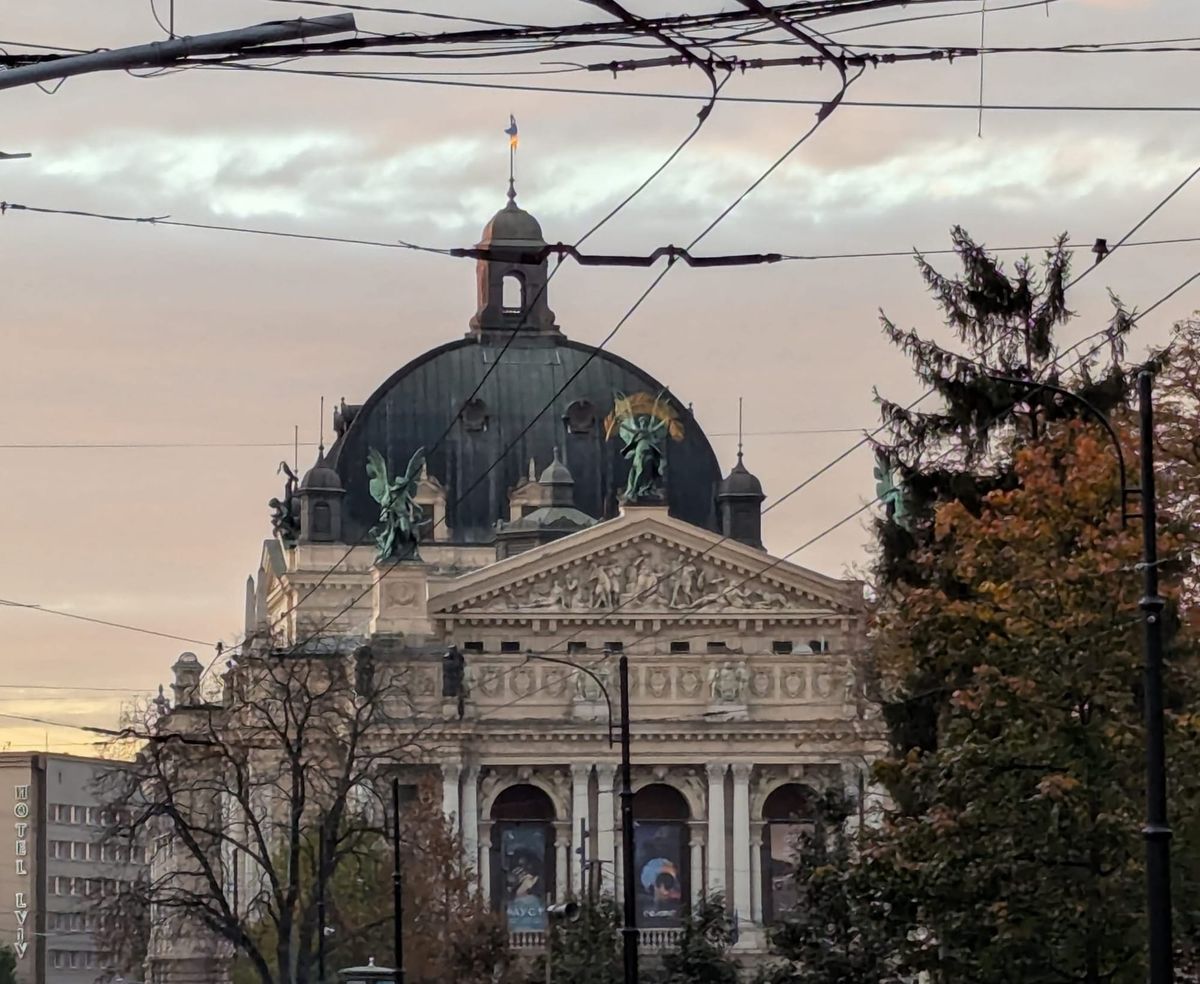
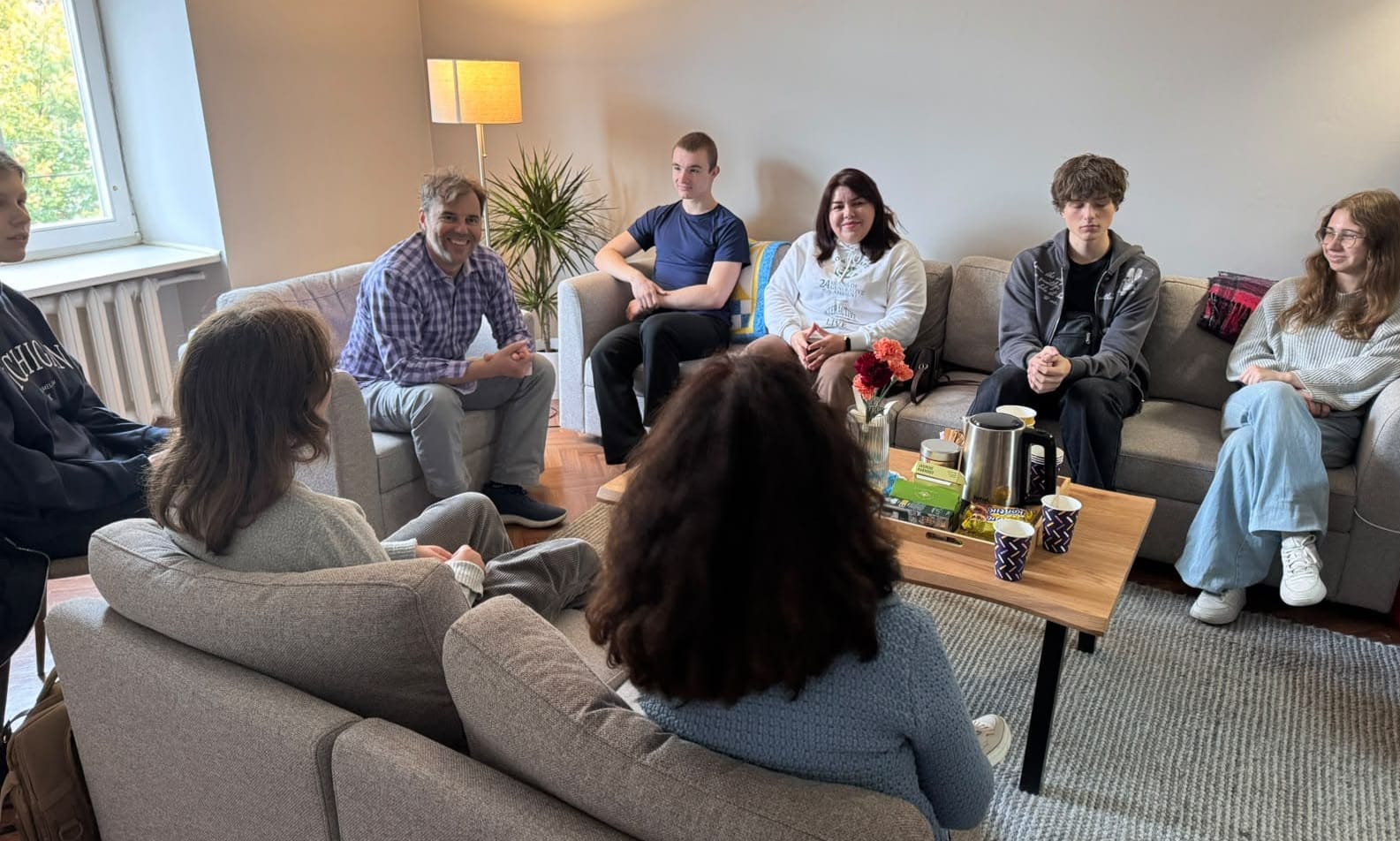
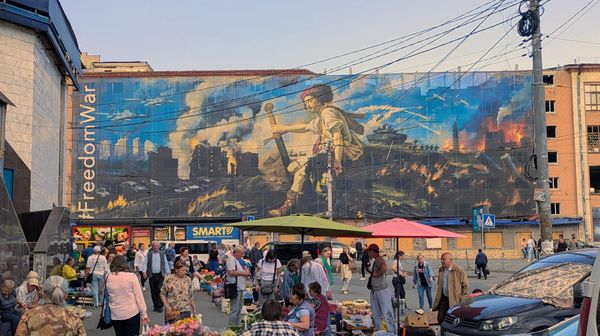
I am blessed and cursed at the moment to be an American in Ukraine, as the world once again struggles to support people on the front lines. One is the front-line of Russia's militaristic effort to erase their culture and nationhood. Another is the front-line in a global war between cynicism & efficiency against civic society, community, and hope. I came to listen to, and hold conversations with, Ukrainians about what those of us far from here, in the US, have learned from them, and might have learned from Ukrainians, over the last 1,700 days.
As a few of the readers here know, I have been working with various investigators and journalists on one of the most significant and horrible aspects of the Kremlin's strategy of cultural erasure: the Russification and capture of Ukrainian children. If you have not been aware of this most critical issue, I recommend starting with the work of The Kyiv Independent's Olesia Bida, perhaps with this doc from last year, or this one from 2023. For now, let me share a brief story from one conversation I had several months ago, and how it led me to one of the lessons from from Ukrainians.
After spending much of the fall of 2025 speaking with journalists like Olesia and others who focus on war crimes on children, I began to understand, (with the help of the always-inquisitive American print and audio journalist/Pulitzer award recipient Lisa Pollak), that I needed to spend a bit of time exploring a new question: ¿Why don't we care about the children? Within that big question, there were countless others that were driving me...sometimes driving me crazy, though more often driving me to explore and inquire. For example, the conversations I had with Ukrainians who were focused on the captured children were full of emotions. They were more human in tone. More open. While we were talking about awful things, we had moments of laughter. This was not avoidance. These moments enhanced the focus and seriousness of the work. Meanwhile, conversations with American journalists and lawyers were narrow and monotonous.
I reached out to one of my favorite scientists and science rhetoricians, Laurie Santos. I had the privilege of meeting her last year to talk about storytelling around complicated matters in the neuroscience domain. Among other topics, she is a leading scholar on the science of happiness (If you don't know Laurie's work, go back to the first season of The Happiness Lab Podcast). So I asked her to help me process the juxtaposition of the topic with the tone of the conversations (with Ukrainians). ¿This couldn't be happiness, right? ¿Even though there seemed to be signs of people holding happiness in the face of war?
Laurie then opened the door to something else. The science of hope. The need for hope. The fight for hope and the hope in the fight. She urged me to consider that hope might be one of the most important conditions for communities pushing against monumental challenges. Once you see use lens into the remarkable work of Ukrainians I have come to know, it helps explain much.
Hope, it turns out, is a HARD power.
I brought this up with a scholar I know in Maine. While we are both From Maine now, before he was From Maine he was from East Africa. We were trading lessons, as we often do, and he was curious about what I was learning from Ukrainians. When I talked of hope, he responded:
"You know GG. Too often we saw well-meaning from outside Africa come to help our communities and say 'we are bringing people hope.' It is not true. We all have hope. It is not a gift. You can try to kill hope. And you can try to support hope and let me use the power of my hope to make change. But you can not give me something I already have."
He then gave me a gift, in pointing me some recent work from Oded Adomi Leshem and Eran Halperin on how and when hope drives social change. I invite you to take a look by sharing this article and a key takeaway from their work:
"Hope's sweet spot," they write, exists "between possibility and certainty."
This is what I see here in Ukraine. People who continue to consider possibilities, in the face of wave after wave of violent and cognitive warfare. I invite you to consider what this means for you, wherever you are and however you are facing challenges in the global theater of this battle.
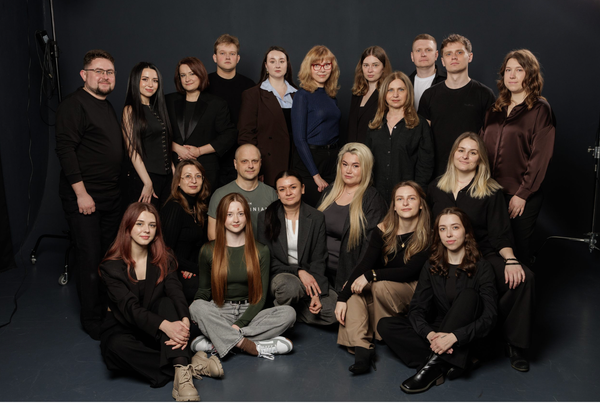
Special thanks to the Lviv Media Forum and ENGin for their help in organizing conversations here. And thank you as always for engaging. I'm giving the last word to the late humanist philosopher Erich Fromm:
“Hope is paradoxical. It is neither passive waiting nor is it unrealistic forcing of circumstances that cannot occur. It is like the crouched tiger, which will jump only when the moment for jumping has come. Neither tired reformism nor pseudo-radical adventurism is an expression of hope. To hope means to be ready at every moment for that which is not yet born, and yet not become desperate if there is no birth in our lifetime. There is no sense in hoping for that which already exists or for that which cannot be. Those whose hope is weak settle down for comfort or for violence; those whose hope is strong see and cherish all signs of new life and are ready every moment to help the birth of that which is ready to be born.”